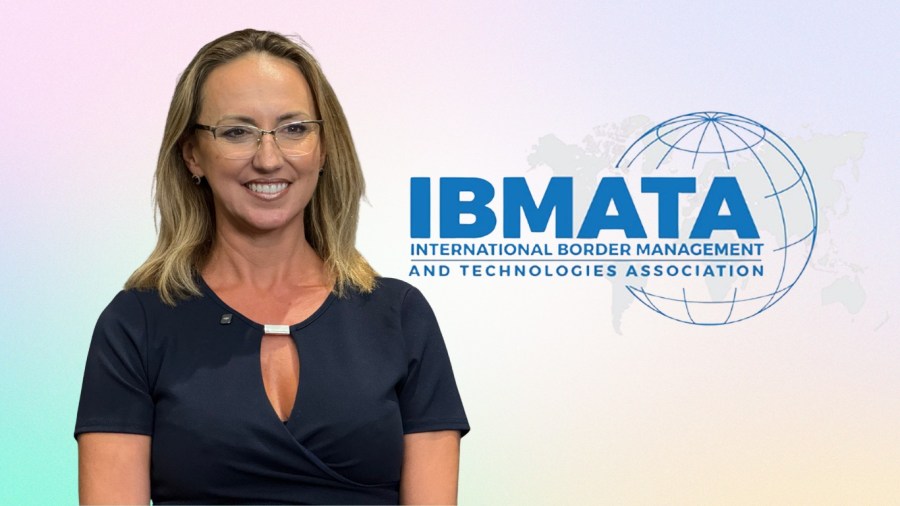
Last Tuesday, April 7, the Philippines’ fight against human trafficking moves to the boardroom as International Border Management and Technologies Association (IBMATA) CEO Sharon Ayley meets with BI Commissioner Anthony Viado. The high-level talks come at a critical time as the Bureau seeks more robust methods to secure the nation’s borders against traffickers and various emerging security threats.
Ayley warns that the sheer volume of entry points across the archipelago is currently the “biggest factor” straining border resources. Her recommendation for the Commissioner is clear: the country must move away from fragmented security measures. As Ayley phrased it, “The best way of managing that is by standardizing solutions across your border.”
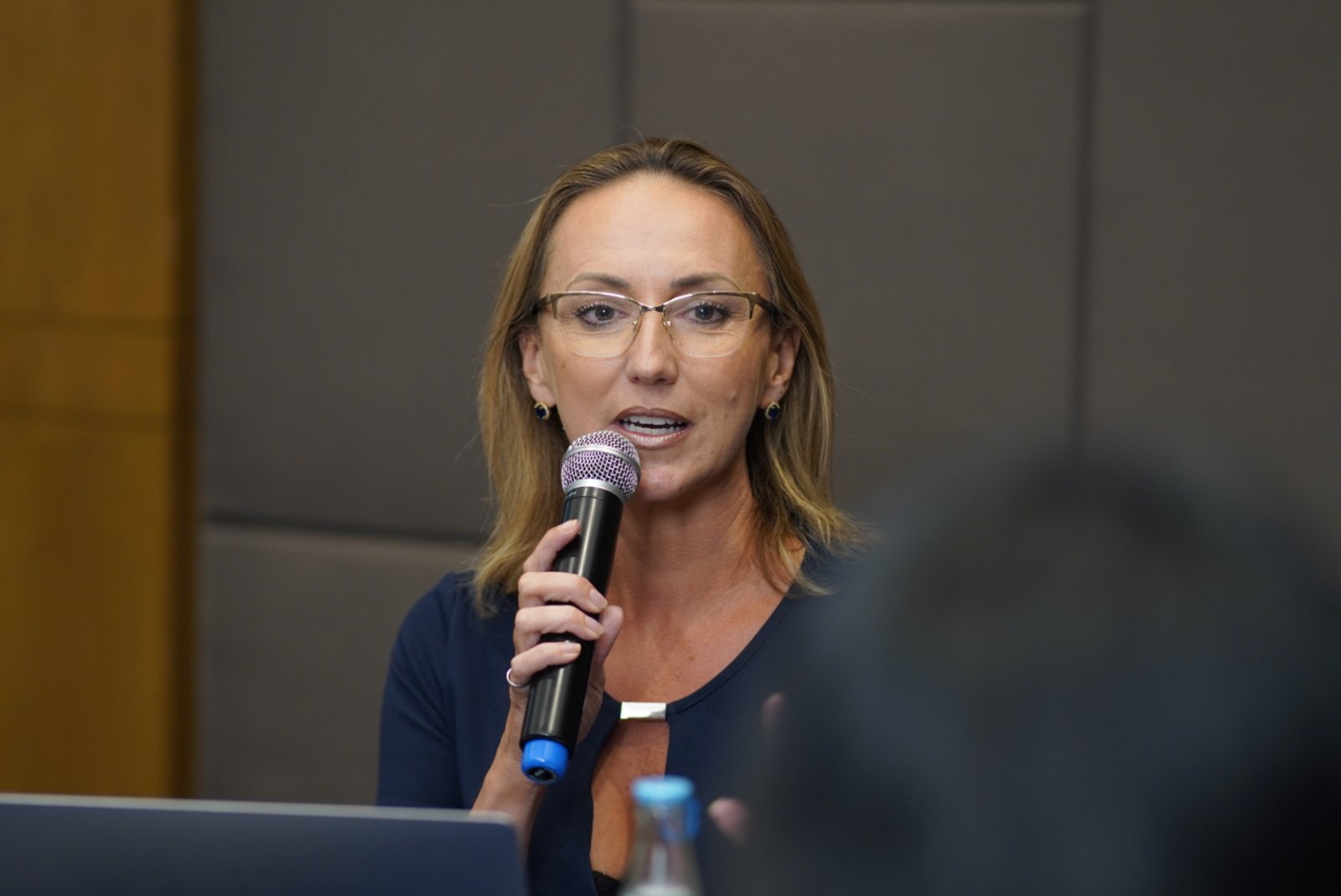

What’s the purpose of her visit here in the Philippines?
“We came to Manila in November 2024. As IBMATA, we ran events, conferences and exhibitions all around the world, and so we were here in Manila in November 2024 for our Asia Pacific Summit, where we were privileged enough to work closely with your Bureau of Immigration and we held our event here. And so, I’m back, we haven’t been here for 18 months, so I’m very keen to comeback and I’ll be meeting with your commissioner of the Immigration Bureau tomorrow, where I’m keen to understand what’s happened in the last 18 months, what developments have been made, what’s new in the region, what’s new in the Philippines. And I’m also here meeting some of our IBMATA members. I say, we have both government and industry members, and we’re very fortunate to have security porters as one of our members and long-time partners and I’m going to be meeting with them and learning what’s happening with them. It’s exciting and I’m very pleased to be here.”
What was the most concerning security issue that they have found on our borders?
“When we were here last time, we ran a workshop on human trafficking. We were working with the IOM (International Organization for Migration) in the Bali Process and we were looking at government officials, as well as industry professionals, subject matter experts and academic experts, and we were just exploring ways, because I know it’s a sensitive subject here and a high priority in the Southeast Asian region. So, we were looking at ways that we might be able to contribute towards finding a solution and helping with the issue of child trafficking.”
18 months since your last visit to the Philippines, have there been any changes or developments?
“You know, borders are evolving all the time. It’s fast-paced, it’s moving, threats change, technologies develop, governments change, geopolitical situations change, it’s constantly evolving. So, yes, it will change. Yes, we will make advancements. Technologies improving. Every day, we’re making new improvements and new systems are being implemented. We’re making new and positive change. But as fast as we change, change happens again. It’s constantly evolving and I think, you know as we were saying before, the key is to be as fluid and as flexible as possible to be able to cope with the new challenges as they happen and utilize technology to help us do that. It’s definitely the way forward.”
As a leading non-profit organization, IBMATA brings together governments, industry stakeholders, and experts from around the world to share real-world experiences, address border challenges, and exchange best practices.
In a previous interview, Ayley recommended that the BI adopt risk-based border management systems, including biometric verification and automated e-gates.
These measures allow low-risk travelers to move efficiently while enabling authorities to focus on high-risk cases, including potential trafficking incidents.
Ayley also called on the Philippine government to maximize the use of technology as a critical step in combating child and sex trafficking and online sexual exploitation in the country.
She stressed that advanced technologies can serve as a frontline defense in identifying and preventing trafficking cases, especially amid current global pressures affecting vulnerable populations.
The International Organization for Migration (IOM) earlier identified the Philippines as the second leading country of origin for trafficking victims, with 13,313 Filipinos recorded among more than 125,000 victims identified globally.
“The key is risk-based, data integration, bringing together travel history, behavioral indicators, and watch lists in real time,” she said, adding that advanced analytics and artificial intelligence (AI) can help flag unusual travel patterns.
She also pointed out that biometric identification systems can help ensure that travelers are legitimate and that identities are genuine.
These tools, she emphasized, can act as a protective barrier by flagging potential victims and traffickers before exploitation occurs.
However, Ayley underscored that technology alone cannot solve the problem, saying that strong inter-agency cooperation remains the most critical component in combating trafficking.
“Fundamentally, it is inter-agency cooperation that is most important. Technology works best when combined with well-trained officers who have the skills and instinct to identify suspicious behavior and intervene when necessary,” she said.
Ayley also said that IBMATA has been actively working with global and regional partners, including the International Organization for Migration (IOM), to develop strategies and conduct workshops aimed at combating trafficking and strengthening border security systems.
Beyond technology, IBMATA highlighted the importance of public awareness and education as the first line of defense, where families and communities play a crucial role in recognizing early warning signs and preventing children from falling victim to traffickers.
With prices of goods increasing due to the Middle East conflict, families are becoming more vulnerable to trafficking.
“I think that’s where it begins — making sure people are aware of how traffickers operate and how they target vulnerable individuals,” Ayley explained, pointing out that parents and communities play a key role in preventing it from happening.
Ayley is set to return to the Asia-Pacific region for IBMATA’s upcoming event as part of its continued engagement with regional partners.
Watch our pocket interview with IBMATA CEO Sharon Ayley below:

