Former Iloilo City Mayor Jerry Treñas shared aerial shots of the city’s mangrove areas, which he said protect the city from calamities.
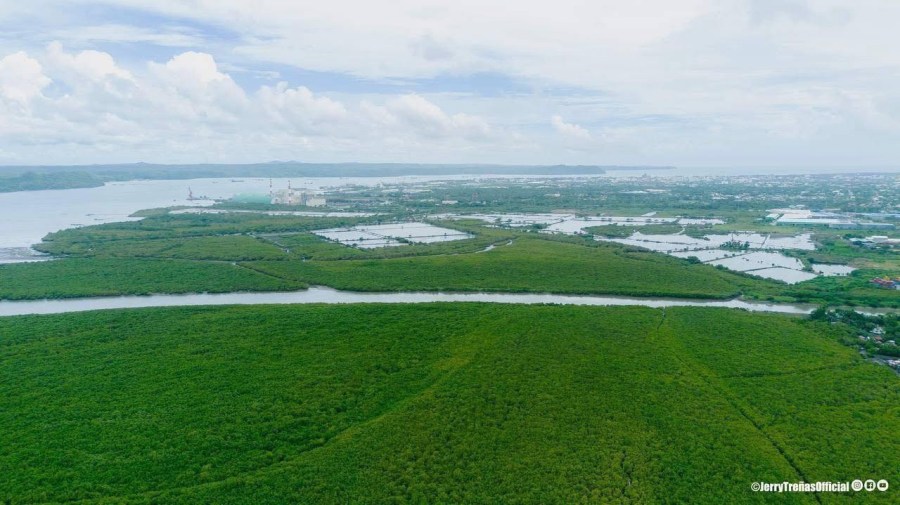

Former Iloilo City Mayor Jerry Treñas shared aerial shots of the city’s mangrove areas, which he said protect the city from calamities.
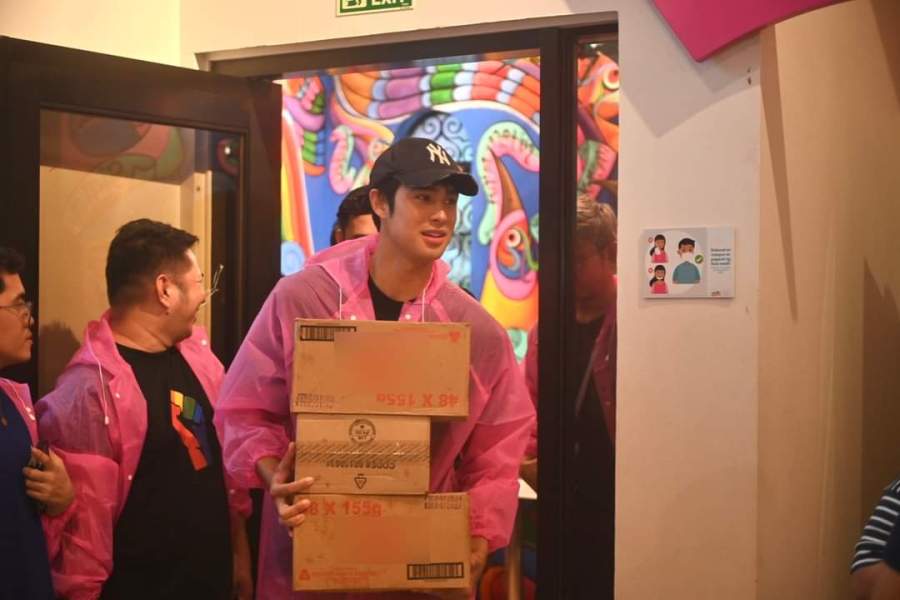
Actor Donny Pangilinan personally delivered boxes of donated relief goods to the Angat Buhay office in Quezon City for the victims of Typhoon Kristine.
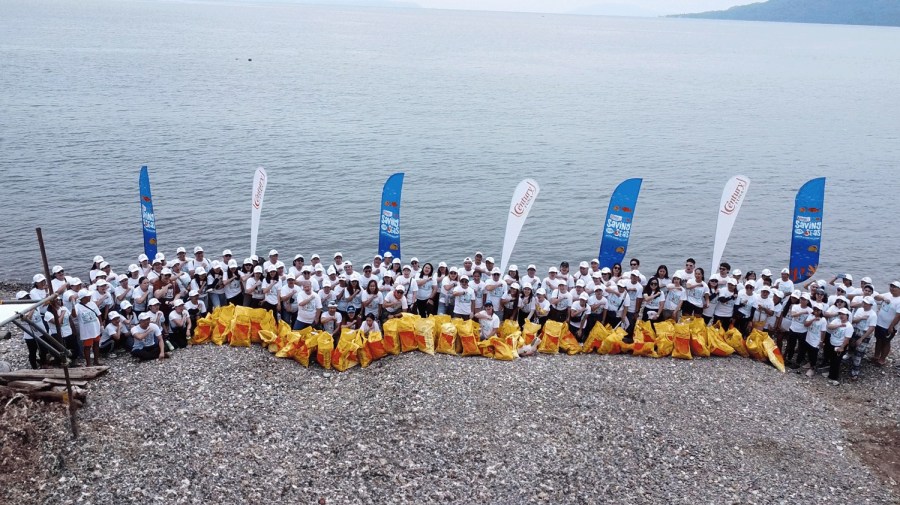
After its successful run in 2023, Century Tuna, the country’s no.1 tuna brand, continues to lead the charge in marine conservation in the Philippines, further solidifying its commitment to fighting plastic pollution with the 2nd year of its “Saving Our Seas” campaign.
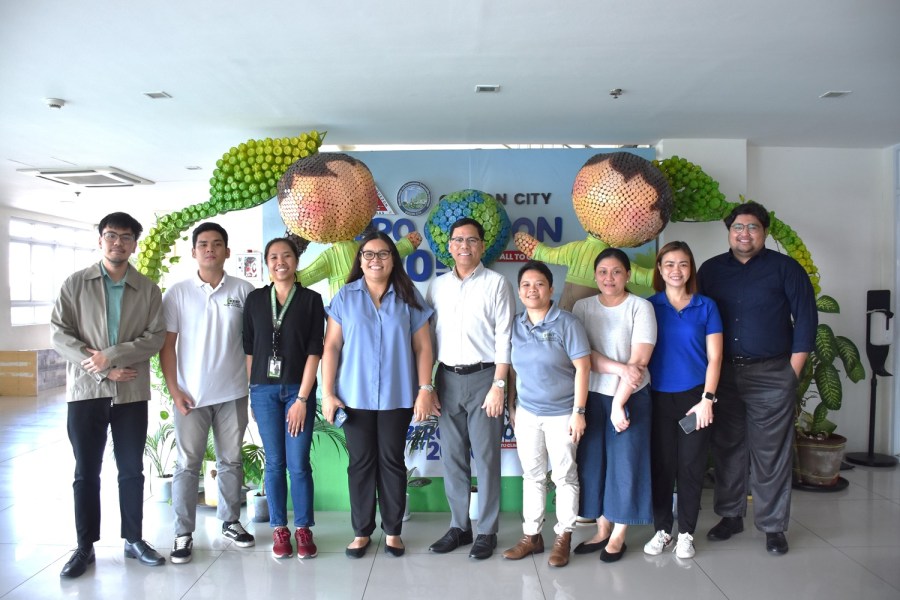
Ajinomoto Philippines Corporation (APC), together with Basic Environmental Systems and Technologies (BEST) and the Quezon City Climate Change and Environmental Sustainability Department (QC CCESD), is proud to celebrate the six-month progress of the SariCycle® Program. This groundbreaking initiative has garnered over 600 active participants and has successfully collected more than 4,000 kilograms of single-use plastics (SUPs) since its launch in January 2024.
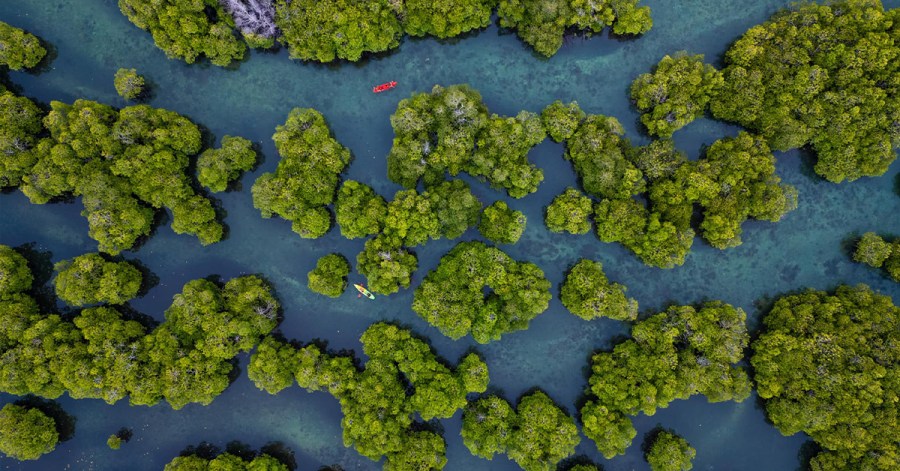
To prevent the coastal area from becoming more deteriorated, the Philippines has several approaches, including creating a network of marine protected areas. There is also focus on community based resources management that aims at sustainable fishing practices, mangrove reforestation, and coral reef restoration. One of them is the San Vicente Mangrove Forest and Marine Protected Area in Palawan, where the community is committed to safeguarding and restoring the mangrove area for 25 years since 1999, and extended to 12 more years.
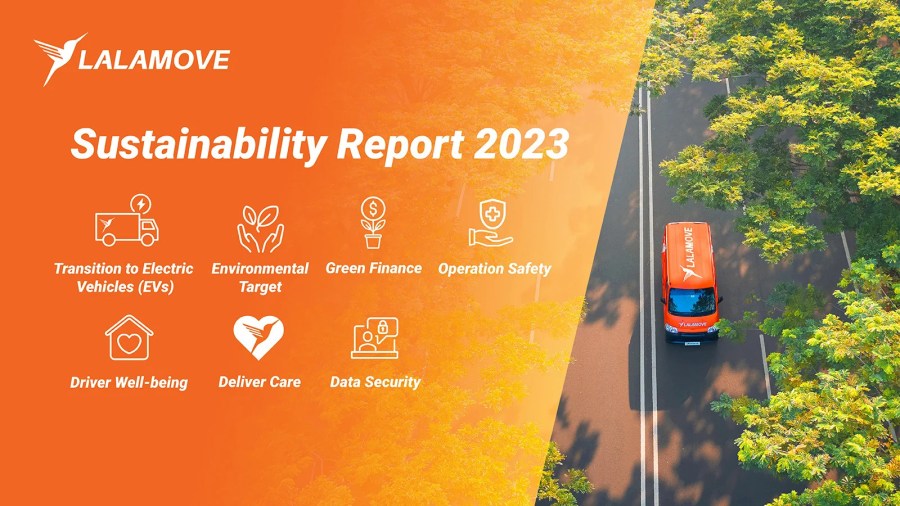
On-demand delivery platform Lalamove has published its Sustainability Report 2023, marking the company's second year of releasing such a report. Key highlights of this year include promoting the adoption of new energy vehicles; setting short, medium, and long-term goals for achieving net zero target; and supporting driver partners.
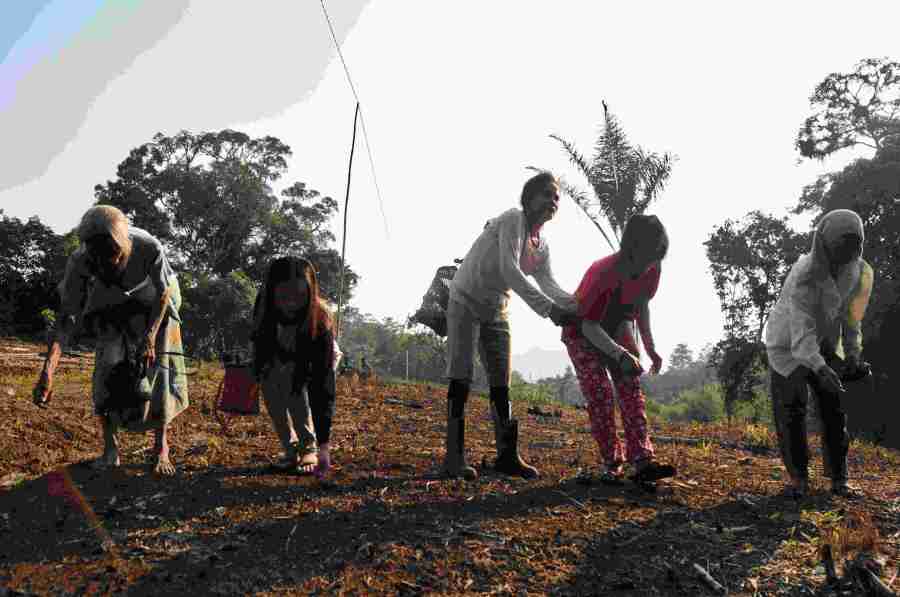
While global awareness of forests' significance has grown, Southeast Asia grapples with ongoing forest loss. The region has lost approximately 80 million hectares of forest between 2005 and 2015, with projections indicating further shrinkage or growth. In the Philippines, the Food and Agricultural Organization estimated that the country has the second fastest deforestation rate in Southeast Asia and seventh globally between 2000 and 2005, losing roughly 2.1% of its forest cover annually. The cause for the loss is human activities like converting forests to farms, using trees for fuel, illegal logging, and clearing land for mining all contribute to this rapid decline.
PepsiCo announces the launch of the second Greenhouse Accelerator program in Asia Pacific (APAC) region. Following the success of last year’s program, PepsiCo is looking to make an even greater impact on the food and beverage sector in the region by collaborating with and supporting entrepreneurs who are developing innovative solutions in sustainable agriculture, climate action, and the circular economy.

Through the years, the diverse musical traditions of Southeast Asia have served as a universal language, fostering cultural exchange and knowledge. Today, this musical legacy is taking on a new purpose: musicians around the world and from the region are lending their voices to move people to action around the climate crisis. One initiative is …
Continue reading A Climate Change Takes Center Stage in Southeast Asia’s Music Scene
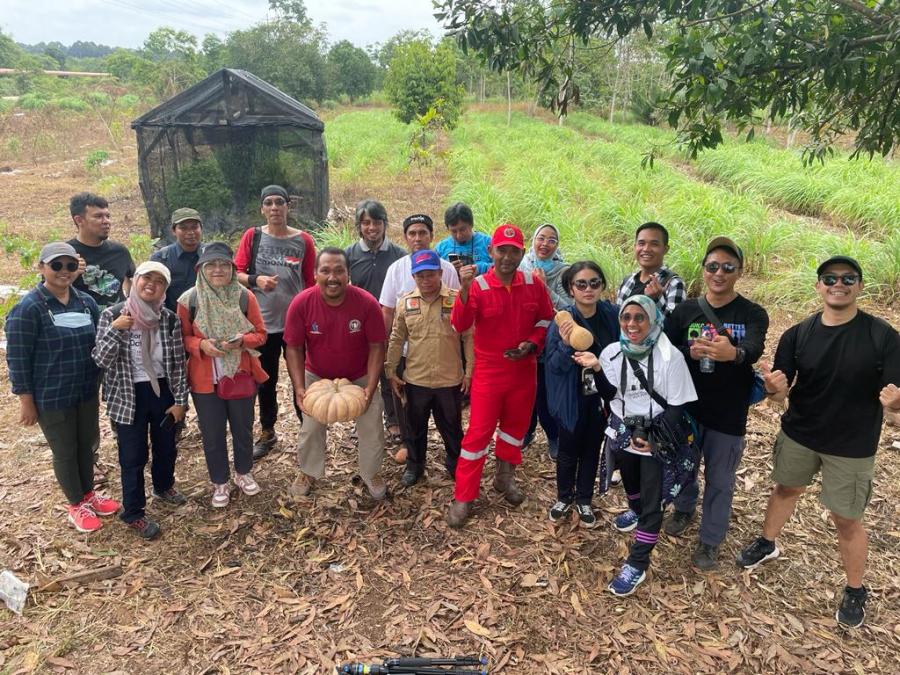
Peatlands, crucial for carbon storage and ecosystem balance, face relentless threats from human activities. Restoring these vital ecosystems holds the promise of quelling fires, preserving biodiversity, and combatting climate change. However, the path to restoration is riddled with complexities, stirring disagreements among stakeholders with conflicting interests, from companies holding concessions to local communities. In the …
 HYPE MANIA