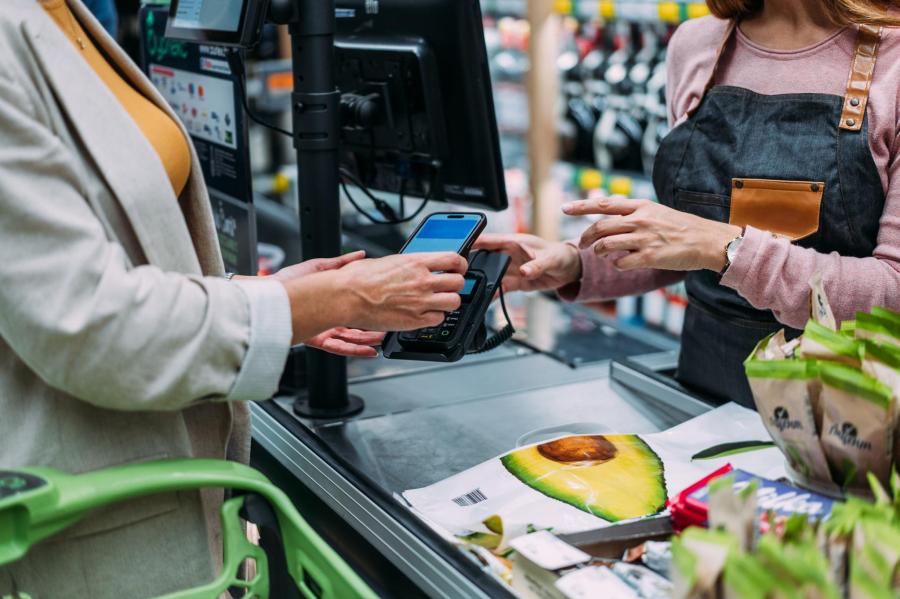
MANILA, Philippines, 10 November 2026 – As Philippine retailers prepare for 12.12, and the Christmas rush, most of their energy goes into bringing in shoppers and driving sales. Behind every major promo, however, sits a different kind of test: telling real spikes in buying apart from transactions that need a closer look.
Digital payments made up 64.7% of retail payment volume in 2025, according to the Bangko Sentral ng Pilipinas (BSP). In July 2026, the BSP also called on supervised financial institutions to tighten authentication, cyber-threat monitoring, and incident response in light of new cybersecurity risks.
Big sales often trigger unfamiliar buying habits, from first-time shoppers to sudden jumps in order frequency. Retailers have to recognize these normal shifts while flagging activity that looks off.
According to Eng Sheng Guan, CEO of Fiuu, the goal during peak sales is not to tighten rules on every single checkout, but to judge payment risks based on how a specific business actually operates.
“Security should protect genuine customers, not become an obstacle for them,” said Eng. “During major promotional campaigns, payment decisions should be informed by transaction context so that legitimate purchases continue to move smoothly while activity that warrants closer scrutiny can be identified.”
Spotting Risks Without Blocking Real Buyers
Promotional periods naturally change how people shop, bringing bigger baskets, new buyers, multiple checkout tries, and more frequent orders. Not every odd or failed payment means fraud, though repeated failures across different cards or accounts can point to card testing or stolen payment details.
At the same time, a declined payment often comes down to routine issues: a bank block, insufficient funds, an authentication hiccup, or a temporary network drop. Knowing why a payment failed helps retailers separate real customers from bad actors without losing valid sales during busy hours.
“The first step is understanding what the payment data is telling you,” Eng explained. “A transaction pattern that appears unusual on a normal day may be entirely expected during a large promotional campaign. The goal is to distinguish genuine customer behaviour from activity that requires further attention.”
Getting Payment Systems Ready Before Sale Day
Good payment security starts well before a shopper hits the checkout button.
Before major campaigns kick off, retailers should review their fraud filters and authentication rules with their payment providers, factoring in expected sale traffic. Doing this ahead of time helps keep normal promotional surges from being blocked by mistake.
During and after the sale, businesses should track repeat declines, strange order patterns, and customer complaints. Watching these signals helps teams catch problems early, step in when needed, and fine-tune their checkout setup for the next rush.
Drawing on its work with brands during double-digit sales and limited-edition drops, Fiuu adjusts fraud-monitoring rules to match expected buying patterns. This lets retailers keep security tight without getting in the way of paying customers.
Keeping Checkout Smooth After the Sale
For retailers, strong payment security is not just about stopping bad transactions—it is about letting real shoppers buy with confidence.
As digital payments keep growing in the Philippines, businesses need checkout systems that adapt to shifting shopper habits without slowing people down when demand peaks.
“The objective is not to make payments more complicated,” Eng said. “It’s about applying the right controls where they matter while allowing genuine customers to complete their purchases as smoothly as possible.”

